
Lovingston Merchants Association
Big Ideas.
Real Impact. Small Business.
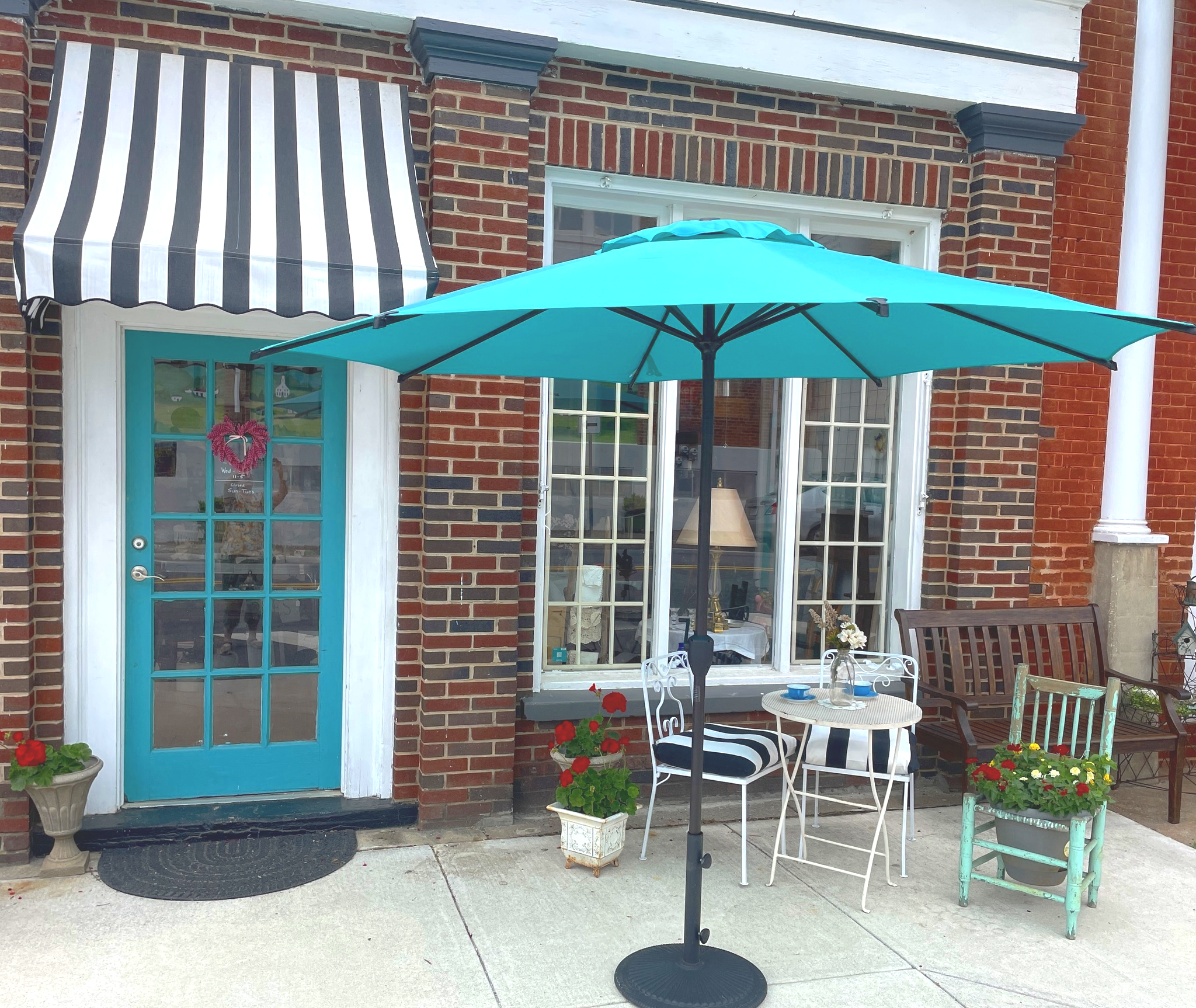
Welcome to the Village of Lovingston—home to exceptional small, diverse, and locally owned businesses that make our community special. From shops and services to food, arts, and hospitality, our village is built on creativity, collaboration, and a genuine love for this place we call home. When you support Lovingston’s businesses, you’re not just shopping local—you’re connecting with neighbors, stories, and the unique character of Nelson County. We’re glad you’re here and invite you to explore all that our village has to offer.
Our Village Story:
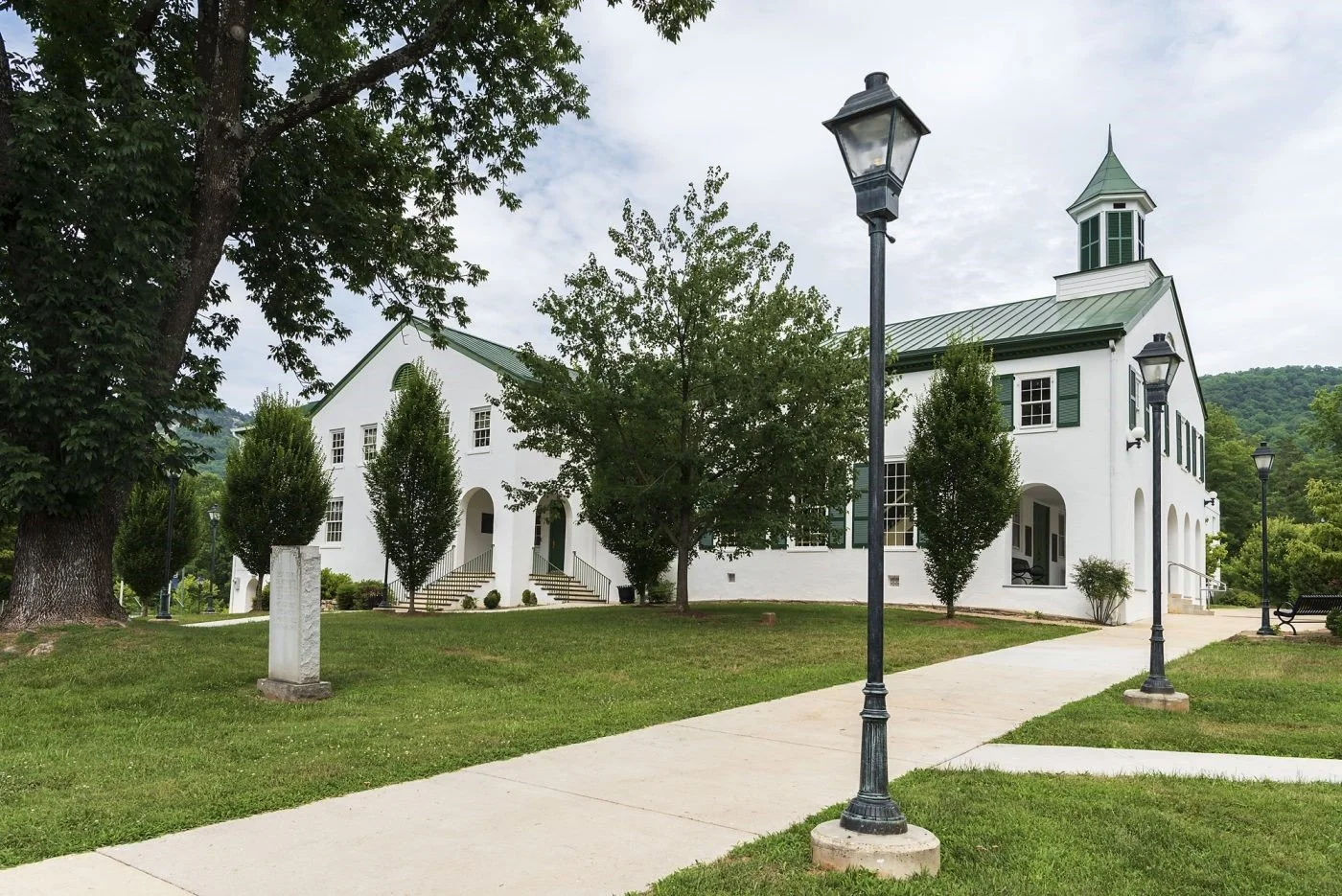
Lovingston, Virginia, established in 1809 as the Nelson County seat, is a historic, unincorporated village in the Blue Ridge foothills. Originally built around a courthouse on land donated by James Loving, the town grew along a key stage road and features a 224-acre historic district. It was shaped by agriculture, a 1969 hurricane, and inspired the series "The Waltons".
Founding and Early Development (1807–1850s)
Formation: When Nelson County was formed from Amherst County in 1807, a central location was needed for the county seat.
Establishment: In 1809, Lovingston was platted and named after James Loving, Jr., who donated land for the courthouse.
Architecture: The original 1809 town hall and a jail designed by Thomas Jefferson (built in 1823) are part of the historic landscape.
Early Growth: Growth was driven by the courthouse and its position on the Charlottesville to Lynchburg stage road, leading to a unique dual development pattern along Front Street.
20th Century: Changes and Challenges
De-incorporation: In 1938, the town was de-incorporated, reverting to a village status.
The Waltons: During the 1930s, Earl Hamner Jr. grew up in the area; his stories of Depression-era Nelson County became the basis for the television show The Waltons.
Hurricane Camille (1969): A devastating, record-setting flood hit the region, causing immense damage and altering the landscape, but the community recovered in the following years.
Infrastructure: In 1961, the expansion of U.S. Route 29 bypassed the historic Front Street business district.
Agriculture and 19th Century Evolution
Economy: The area was settled by English, Scotch-Irish, and German settlers who developed an economy based on tobacco, apples, and lumber.
Transportation: Products were transported via local canals and railroads.
Incorporation: The town was incorporated in 1871 and functioned as a bustling commercial hub.
Modern Era
Historic Preservation: The 224-acre Lovingston Historic District was recognized for its diverse architectural styles, including Federal, Italianate, and Craftsman, and is listed on the National Register of Historic Places.
Tourism & Agriculture: Today, the area is known for agri-tourism, including vineyards and the Walton's Mountain Museum.
Current Status: Today, The Village remains the seat of Nelson County, balancing its, historical, rural character with new, small-business-focused development. On January 6, 2026, the Lovingston Merchants Association was formed to usher in the next generation of small business history.